
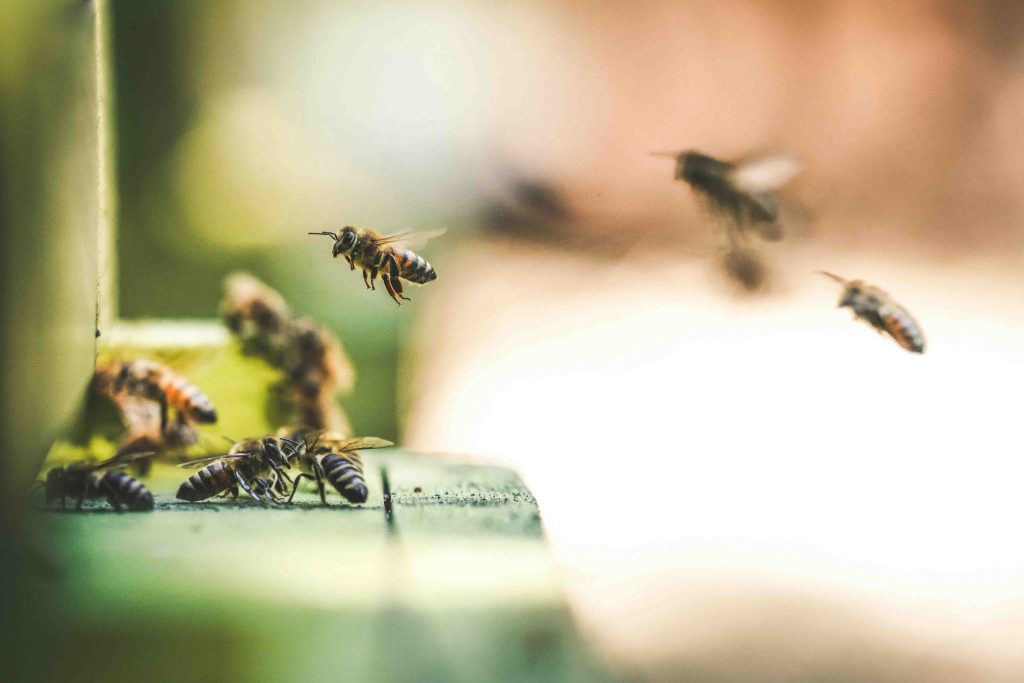
WHY BEES MATTER
For centuries bees, busy as they are known to be, have benefited people, plants and the planet. But did you know that bees are not the only ones that sustain life on earth? By carrying pollen from one flower to another, bees, butterflies, birds, bats and other pollinators facilitate and improve food production, thus contributing to food security and nutrition. Pollination also has a positive impact on the environment in general, helping to maintain biodiversity and the vibrant ecosystems upon which agriculture depends. Every year on 20 May, World Bee Day offers an opportunity for all of us to pay tribute to pollinators.
Nutrition Facts per 100 Gr.
- Energy 1384 kJ (308 kcal).
- Fat 0 g.
- Carbohydrates 75.5 g.
- Proteins 0 g.
- Salt 0,1 g.
- Ingredient: 100% raw honey.
- Not suitable for children under 1 year.
- This product crystallizes naturally.
- All our honey is under the control of and has the approval of the Malawi Bureau of Standards.
HONEY FACTS
- If sealed properly, honey never goes bad.
- There are more than 20.000 species of bees in the world!
- Honey bees need to make approximately 2 million visits to flowers to produce one pound of honey.
- The flavour and colour of honey are all derived from the plant source (not the bee!) and are impacted by location, geographical composition, weather, and climate.
- Bees are a “keystone species”, essential to healthy ecosystems and to animal and human life.
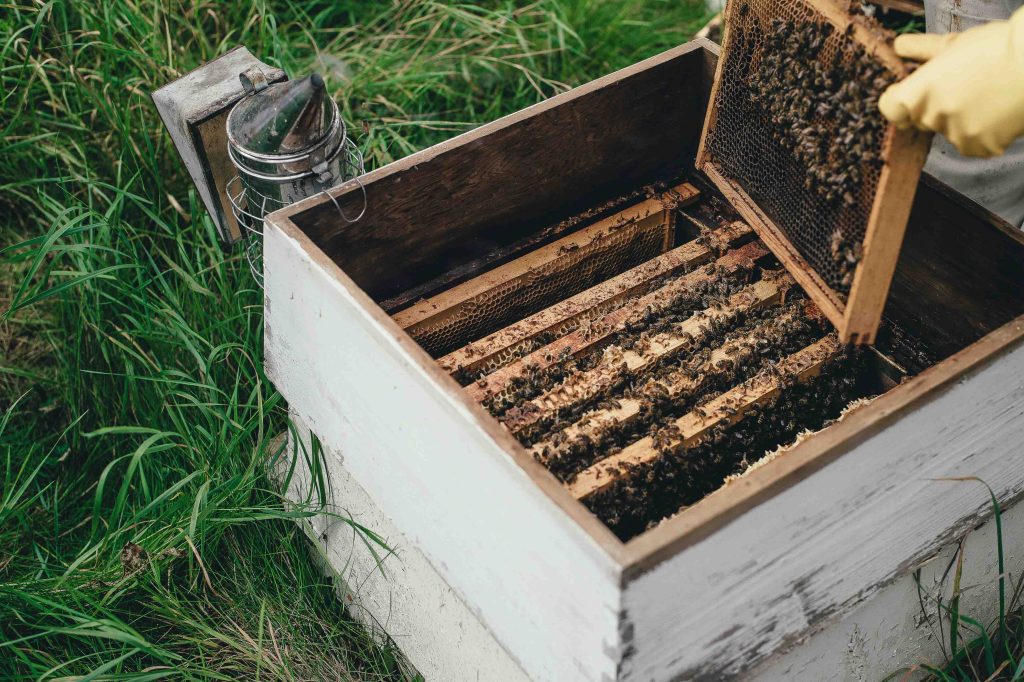
Fun Facts About Bees!
- The honey bee is the only insect that produces food eaten by man.
- Honey is 80% sugars and max 20% water.
- Honey bees produce beeswax from eight paired glands on the underside of their abdomen.
- Honey bees must consume about 17-20 pounds of honey to be able to biochemically produce each pound of beeswax.
- Bees maintain a temperature of 92-93 degrees Fahrenheit in their central brood nest regardless of whether the outside temperature is 110 or -40 degrees.
- A populous colony may contain 40,000 to 60,000 bees during the late spring or early summer.
- The queen bee lives for about 2-3 years.
- The queen may lay 600-800 or even 1,500 eggs each day during her 3 or 4 year lifetime. This daily egg production may equal her own weight. She is constantly fed and groomed by attendant worker bees.
- The average honey bee will actually make only one twelfth of a teaspoon of honey in its lifetime.
- Honey bees fly at up to 15 miles per hour
- The Honey bee’s wings stroke 11,400 times per minute, thus making their distinctive buzz.
- Honey bees, scientifically also known as Apis mellifera, are environmentally friendly and are vital as pollinators.
- Fermented honey, known as Mead, is the most ancient fermented beverage. The term “honeymoon” originated with the Norse practice of consuming large quantities of Mead during the first month of a marriage.